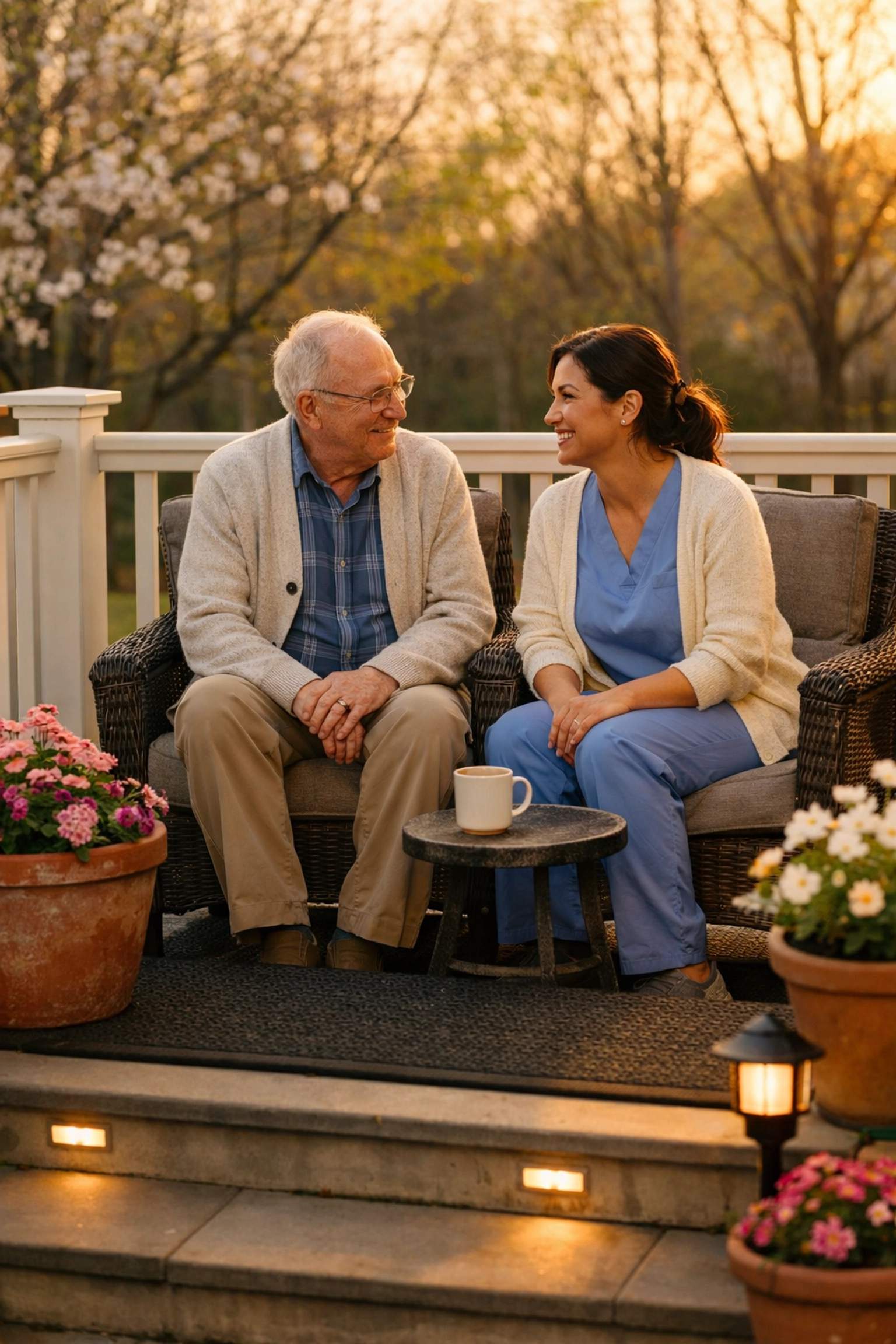

There is something truly magical about the first few days of April. The air starts to feel a bit softer, the birds are back in the yard, and the world finally feels like it’s waking up after a long, grey winter. For many of us, spring represents a fresh start. But for those caring for an aging loved one, it also signals a time to roll up our sleeves and ensure the home is as safe and supportive as possible.
We know that for most seniors, home isn’t just a building: it’s a sanctuary filled with decades of memories. Our goal at Bella Home Care is to keep it that way. However, as the seasons change, new risks can pop up that might not have been there in December. Whether you are managing things yourself or working with a provider of in-home care, a thorough spring safety check is the best gift you can give your family.
Why Spring Cleaning is Actually a Safety Strategy
When we think of spring cleaning, we usually think of washing windows or dusting baseboards. But for seniors, "cleaning" is actually one of the most effective forms of preventative medicine. A cluttered hallway isn't just an eyesore; it’s a significant trip hazard.
Falls are the leading cause of injury among older adults, and most of them happen right in the home. By taking a proactive approach this season, you aren't just tidying up: you're creating a space where your loved one can move freely and confidently. This is where non-medical home care can be a lifesaver, helping to maintain a clear environment so you can focus on spending quality time together.
Clearing the Way: Fall Prevention Inside the Home
The interior of the home is where most daily life happens, and it’s where we need to be most vigilant. Start by walking through each room as if you were seeing it for the first time.
1. The Living Areas
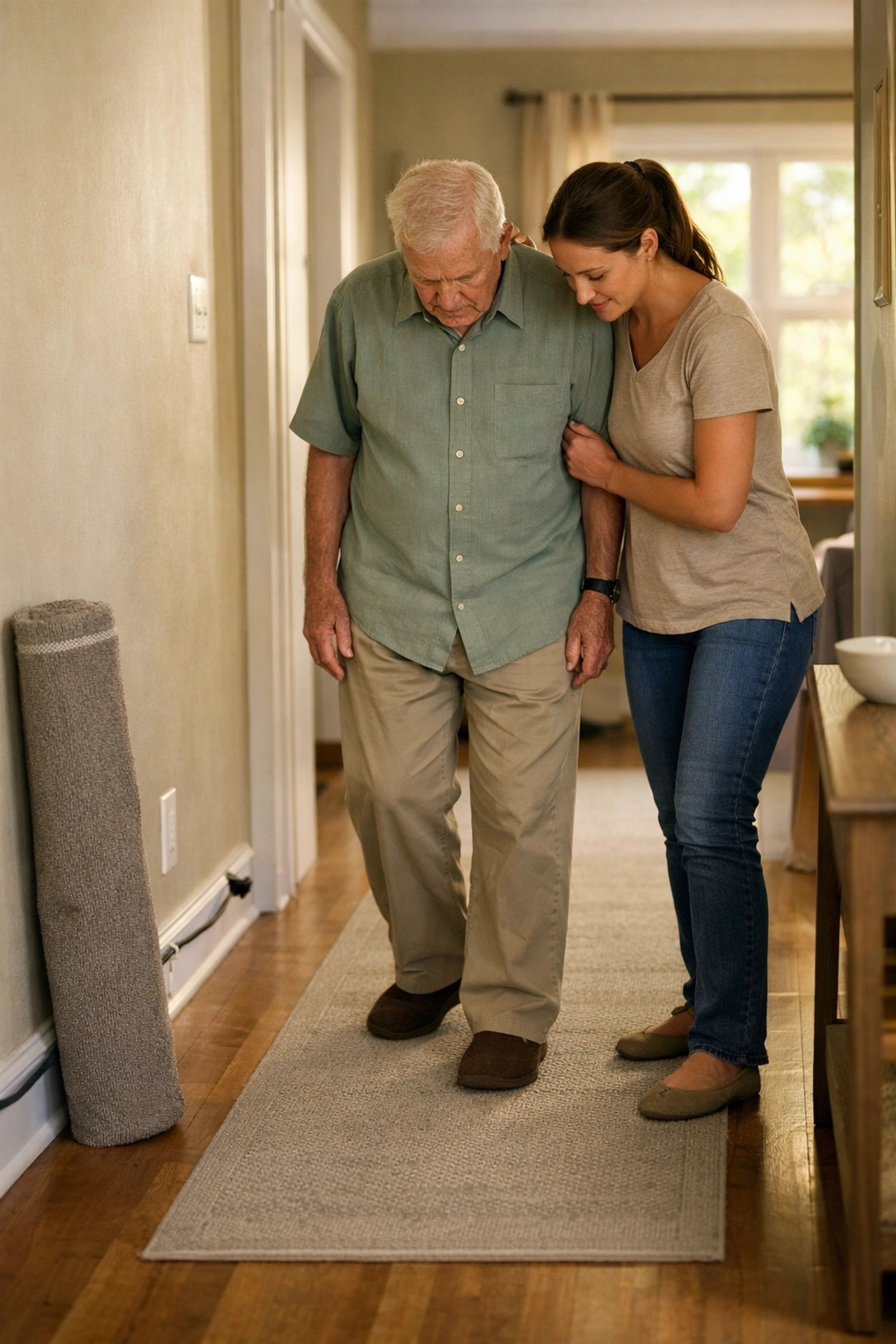
Check for loose rugs or area rugs that don’t have a non-slip backing. In the winter, we often add rugs to keep rooms warm, but in the spring, it’s a good idea to secure them or remove them entirely. Look for stray cords from lamps or electronics that may have migrated into walking paths.
2. Lighting the Path
As the days get longer, we might forget how dark some corners of the house can be at night. Take a moment to replace any burnt-out bulbs. We highly recommend adding motion-sensor night-lights in the hallways, bathrooms, and bedrooms. Better visibility means fewer stumbles during those middle-of-the-night trips to the kitchen or bathroom.
3. The Bathroom
The bathroom is often the most dangerous room in the house. Ensure there are sturdy grab bars installed in the shower and near the toilet. If your loved one is recovering from a recent illness or surgery, you might find that when home care is better than hospital care, having these modifications in place makes a world of difference in their recovery.
Tending to the Exterior: Safety Beyond the Front Door
Now that the snow has melted, it’s time to see what winter left behind. Exterior maintenance is crucial because a fall on a concrete sidewalk is often much more severe than a fall on a carpeted floor.
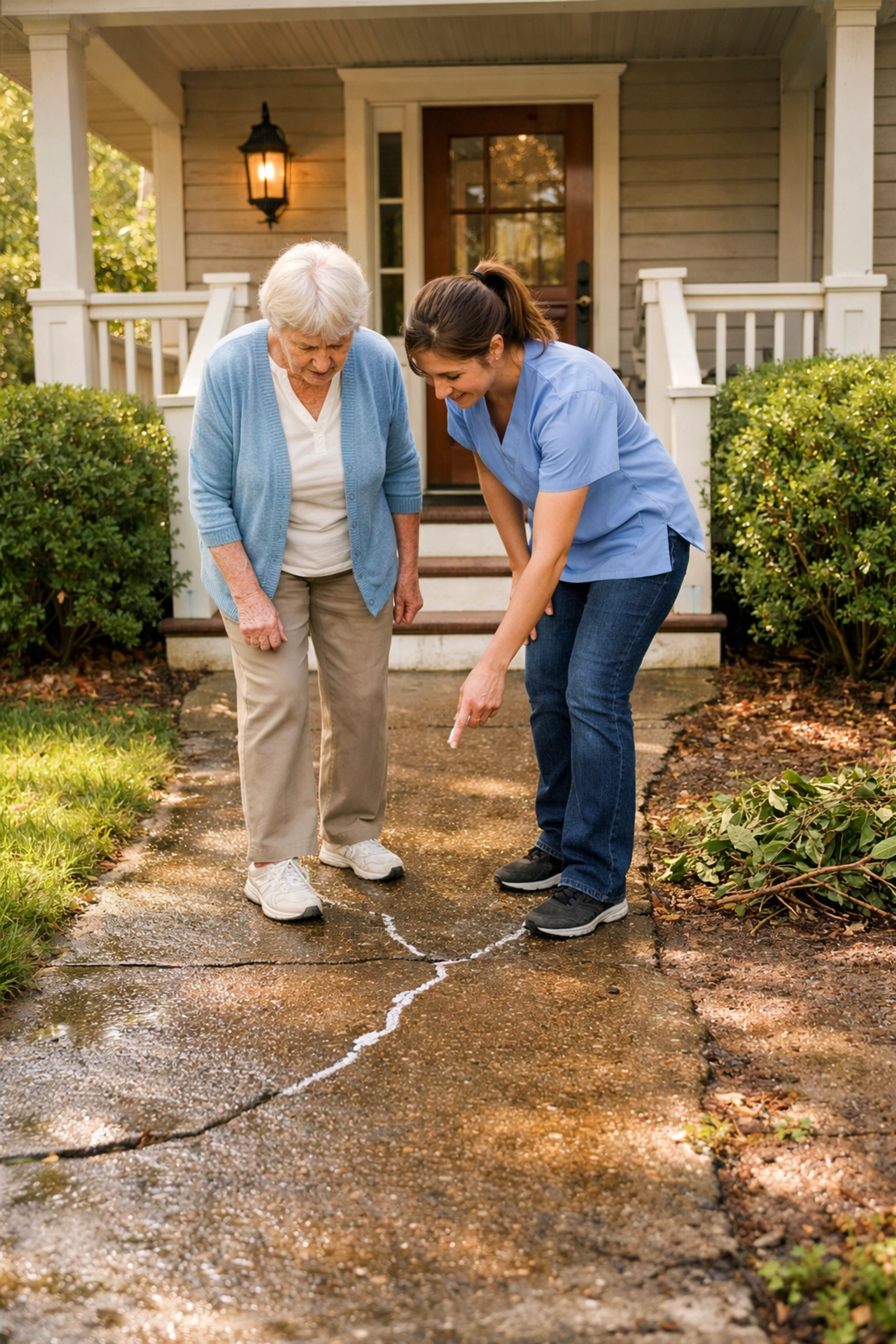
- Inspect the Walkways: Look for cracks or uneven spots in the driveway and sidewalks. Winter ice can cause the ground to shift, creating "lip" hazards that are easy to trip over.
- Clear the Debris: Remove fallen branches, wet leaves, and any moss that might have grown on the porch steps. These can become incredibly slippery when April showers arrive.
- Check the Lighting: Ensure the porch lights and pathway lights are working perfectly.
If you find that the outdoor chores are piling up and taking away from your ability to care for your loved one’s personal needs, consider seeking respite care. Having a professional caregiver step in for a few hours a week can give you the time to handle these "big picture" maintenance tasks without leaving your loved one alone.
The "Hidden" Safety Systems
Beyond what we can see, there are several systems in the home that need an annual spring "check-up." These are the things we often forget until there’s an emergency, but a little bit of prevention goes a long way.
Smoke and Carbon Monoxide Detectors
This is the classic spring task. Test every alarm in the house and replace the batteries, even if they seem fine. For seniors, having a working carbon monoxide detector is vital, as the symptoms of CO poisoning can sometimes be mistaken for general fatigue or "old age."
HVAC and Air Quality
Spring is allergy season. Changing the furnace and air conditioning filters can significantly improve the air quality inside the home. This is especially important for seniors with respiratory issues or those who spend most of their time indoors. While you're at it, check the dryer vent. Lint buildup is a major fire hazard that is often overlooked.
Plumbing and Moisture
Check under the sinks for any signs of leaks. Mold can grow quickly in the humid spring months and can lead to respiratory problems. Since we’re talking about the kitchen and bathroom, it’s also a great time to think about overall health. For instance, making sure the kitchen is safe and accessible can help in managing senior diabetes with a healthy lifestyle.
Supporting Health and Wellbeing This Season
Spring safety isn't just about the physical structure of the house; it's about the safety of the person living in it. As the weather warms up, health needs can shift.
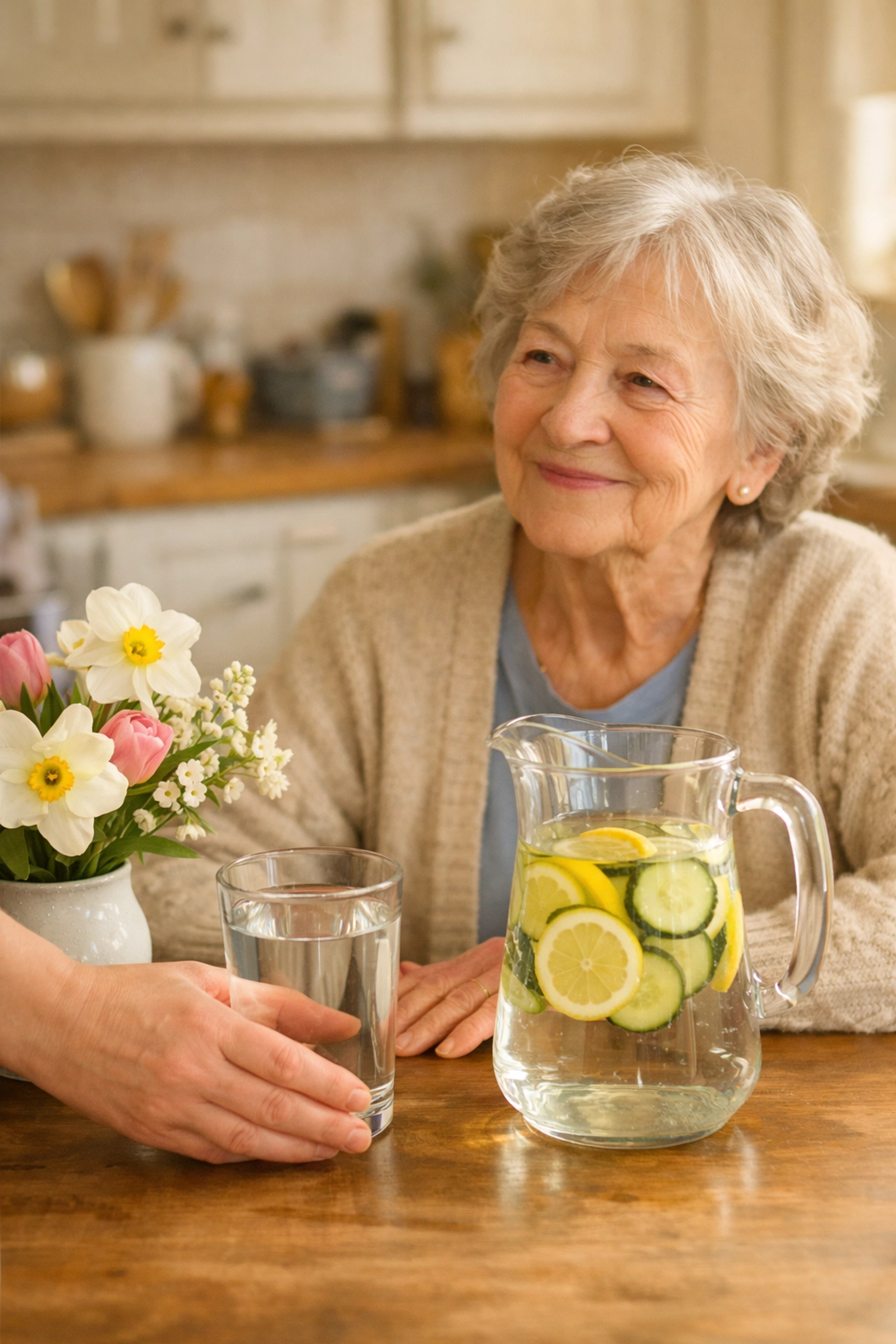
Hydration is Key: Many seniors don’t feel thirsty as often as younger people do, which puts them at a high risk for dehydration in older adults. Ensure they have easy access to water and that their in-home care provider is encouraging fluid intake throughout the day.
Medication Review: Use this time to go through the medicine cabinet. Toss any expired prescriptions and talk to the doctor about any new side effects. Sometimes, medications can cause dizziness, which directly impacts home safety. Knowing blood pressure: how good is good enough can help you and your caregiver monitor their health more effectively.
How In-Home Care Empowers Independence
At Bella Home Care, we believe that home is where meaningful living happens. Our non-medical home care services are designed to support the safety measures you put in place.
Our caregivers act as a second set of eyes. They notice when a lightbulb has gone out, when a rug has become a trip hazard, or when a senior is showing signs of confusion that might lead to a safety risk. They also provide the emotional support that keeps spirits high. We know that addressing negative thoughts is effective in fighting loneliness, and a safe, bright, clean home is the perfect backdrop for a positive outlook.
If you’re feeling overwhelmed by the transition into spring, remember that you don’t have to do it all alone. Whether it’s helping with a "Senior Menu" (check out what’s on your senior menu for ideas!) or providing companionship while you tackle the garage, we are here to help.
A Final Thought for the Season
Spring is a time of renewal and hope. By taking these steps to secure your loved one’s home, you’re doing more than just preventing accidents; you’re giving them the freedom to enjoy the season. You’re ensuring that they can sit on the porch to watch the flowers bloom or walk safely to the kitchen to make a cup of tea.
Home safety is a journey, not a destination. As your loved one’s needs change: perhaps they are dealing with essential facts about Parkinson’s Disease or cataracts: their environment should evolve with them.
If you need a hand getting your home "spring-ready" or want to learn more about how our compassionate caregivers can support your family, reach out to us. We’re here to make sure this season is the safest and happiest one yet for your family.